Which Sodium Compound Is Used for Softening Hard Water? Explained Simply!
Hard water is a common problem in many households, especially in cities where water comes from borewells, lakes, or groundwater. Hard water causes limescale buildup, damages appliances, makes soap less effective, and even leads to dry skin and dull hair. To solve these issues, many people look for ways to soften water. But the most common question is:
“Which sodium compound is used for softening hard water?”
In this article, we will answer this question in a simple way, explain how it works, why it is effective, and explore additional methods to soften hard water at home.
Which Sodium Compound Is Used for Softening Hard Water?
The most commonly used sodium compound for softening hard water is:
Sodium Carbonate (Na₂CO₃) — Also Known as Washing Soda
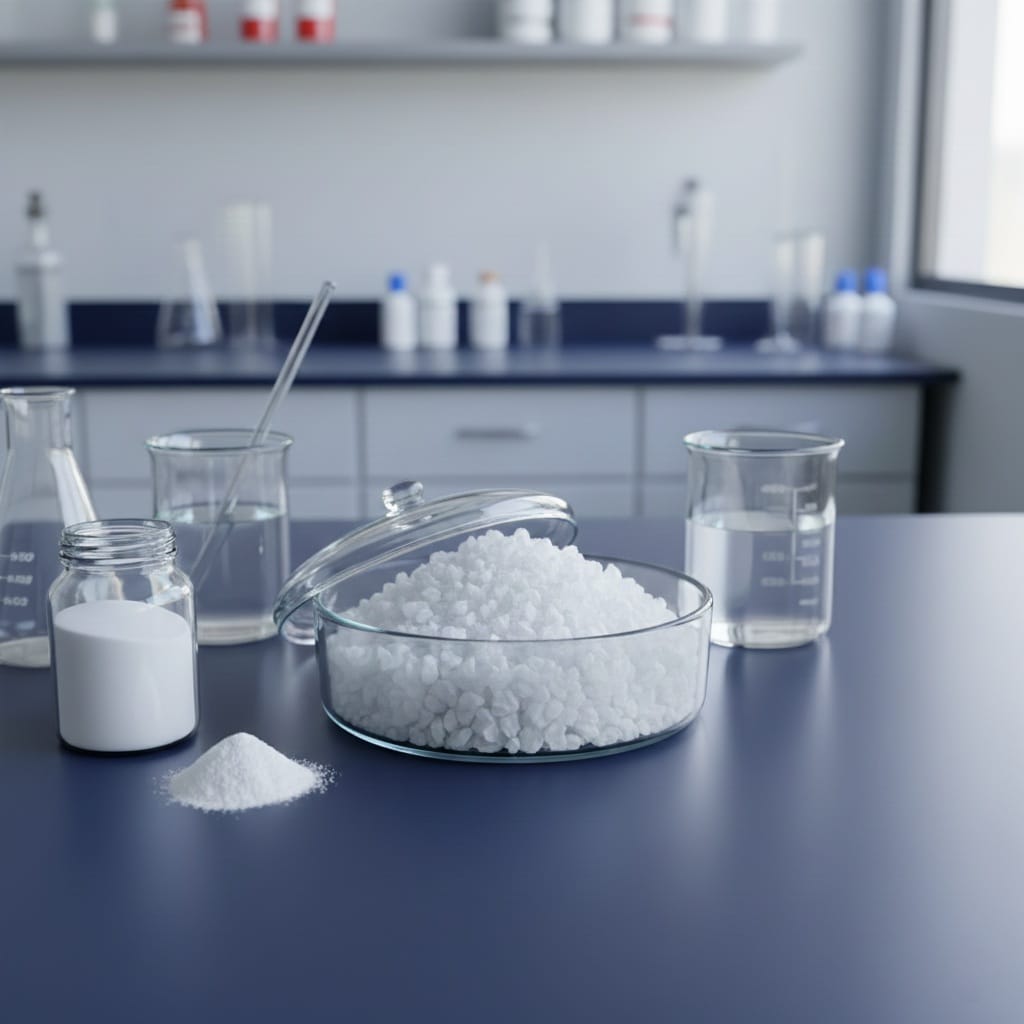
Sodium carbonate is the primary sodium-based chemical used to remove hardness from water. It reacts with calcium and magnesium ions—the minerals responsible for water hardness—and turns them into insoluble particles that can be filtered or settled.
This process is known as chemical precipitation, and it is widely used in households and industries.
Why Sodium Carbonate Is Used for Softening Hard Water
To understand which sodium compound is used for softening hard water and why it works, let’s break it down simply:
Hardness in water is caused by:
- Calcium ions (Ca²⁺)
- Magnesium ions (Mg²⁺)
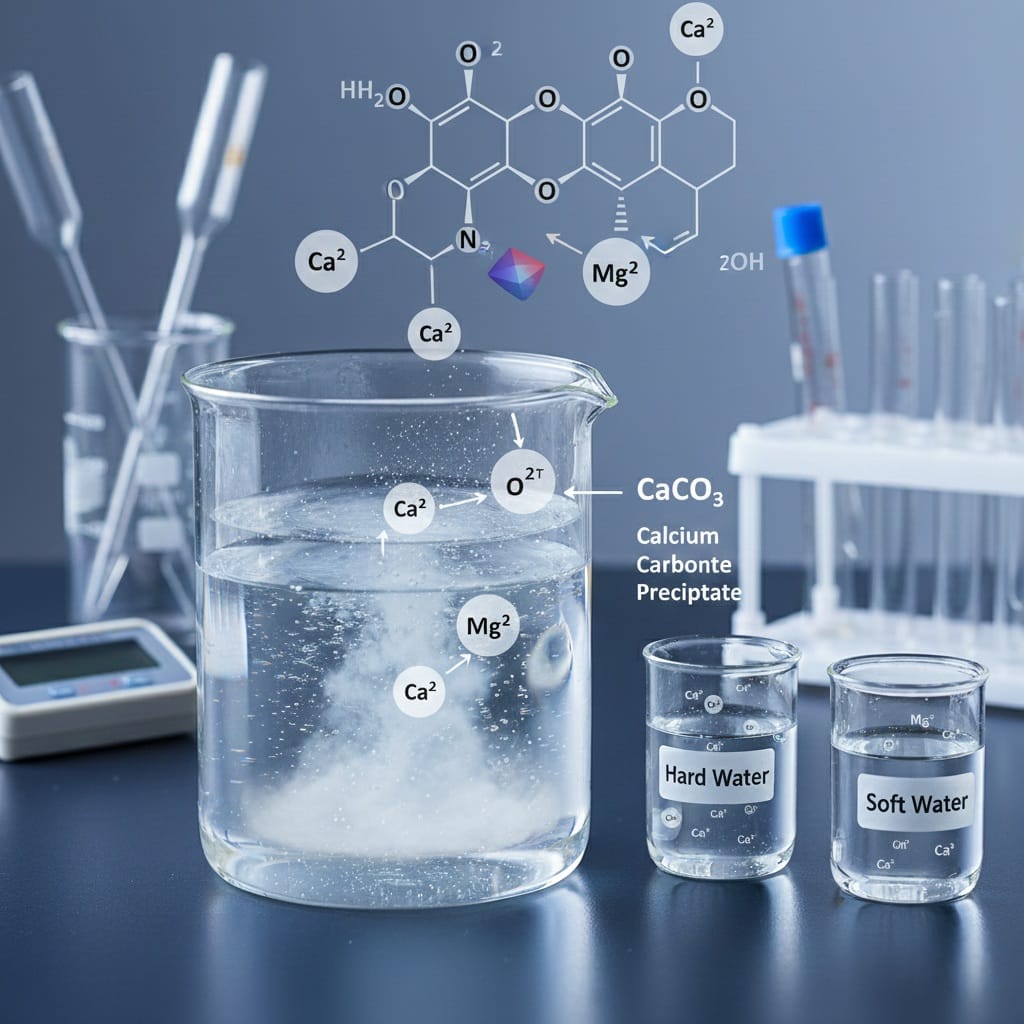
When you add sodium carbonate, the following happens:
1. Chemical Reaction Takes Place
Sodium carbonate reacts with calcium and magnesium to form:
- Calcium carbonate (CaCO₃) – insoluble
- Magnesium carbonate (MgCO₃) – insoluble
These insoluble minerals settle down, leaving softened water above.
2. Sodium Ions Replace Hardness Minerals
The sodium ions from sodium carbonate do not cause hardness.
So when:
- Calcium and magnesium are removed
- Sodium remains
The water becomes soft.
3. Safe for Cleaning & Laundry
Because sodium carbonate reduces hardness, it allows soaps and detergents to:
- Lather better
- Work more efficiently
- Reduce detergent consumption
This makes it a perfect choice for household use.
How to Use Sodium Carbonate for Softening Hard Water at Home
Using sodium carbonate is very easy and affordable.
For Laundry
Add:
- 1 tablespoon per 10 liters of water
- Or 1–2 tablespoons directly into the washing machine drum
For Cleaning
Use 1 tablespoon per bucket of water for:
- Mopping floors
- Washing utensils
- Removing stains
For Household Use
It can be used for:
- Cleaning bathrooms
- Washing clothes
- Removing limescale
- General water treatment in small quantities
Important Note
Sodium carbonate should not be used to soften drinking water.
It is safe for cleaning and laundry but not for consumption.
Other Sodium Compounds Used for Softening Water
While sodium carbonate is the primary answer to
“which sodium compound is used for softening hard water”,
there are also other sodium-based compounds used for water treatment:
1. Sodium Chloride (NaCl) – Used in Water Softener Regeneration
Sodium chloride (common salt) is used in ion-exchange water softeners, which are installed in homes.
How It Works
- The softener tank contains resin beads.
- These beads remove calcium and magnesium.
- Sodium chloride is used to regenerate the resin and restore its capacity.
This is not used directly in water but is the backbone of modern softening systems.
2. Sodium Bicarbonate (Baking Soda)
While not a primary softening agent, it slightly:
- Reduces hardness
- Balances pH
- Makes water more alkaline
It’s commonly used for:
- Bathing
- Skin care
- Hair rinse
- Light cleaning
But it is not strong enough to soften very hard water.
3. Sodium Hexametaphosphate
Used in some commercial and industrial applications.
Benefits
- Prevents mineral deposits
- Stabilizes water
- Reduces scaling
However, it is not typically used in households.
Why Softening Hard Water Is Important
Hard water affects daily life in several ways:
1. Damages Skin and Hair
Hard water leaves mineral residues on the body, causing:
- Dandruff
- Hair fall
- Dryness
- Itching
2. Reduces Appliance Life
Hard water causes scale buildup in:
- Geysers
- Washing machines
- RO filters
- Dishwashers
3. Increases Electricity Usage
Scaling makes heating appliances work harder, consuming more power.
4. Clothes Become Stiff
Detergents do not lather well, leading to:
- Faded clothes
- Rough texture
- Extra detergent use
5. Creates Stains Everywhere
- White marks on taps
- Yellow stains on tiles
- Scaling on vessels
This is why understanding which sodium compound is used for softening hard water is essential for every household.
Best Alternatives to Sodium Compounds for Softening Water
If you want long-term and safe solutions, here are better options:
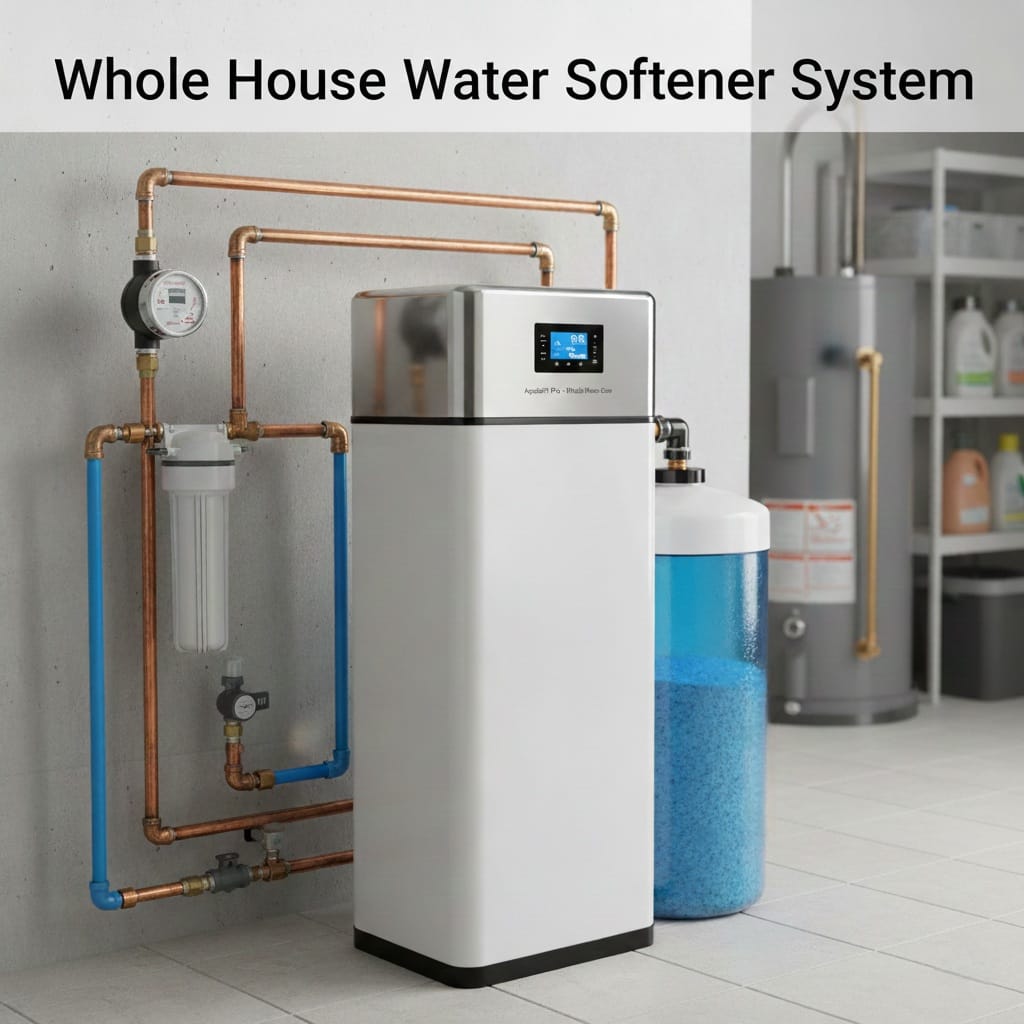
1. Whole-House Water Softener
Uses ion-exchange technology and sodium chloride for regeneration.
Benefits:
- Soft water throughout the home
- Zero limescale
- Better skin & hair
- Protects pipes and appliances
2. RO + Softener Combo
Best for drinking water.
Benefits:
- Removes hardness
- Eliminates impurities
- Improves taste
3. Magnetic or Electronic Water Conditioners
Salt-free and maintenance-free.
Benefits:
- Prevents scaling
- Environment-friendly
- Works well in apartments
FAQs
1. Which sodium compound is used for softening hard water?
Sodium Carbonate (Washing Soda) is the main compound used for softening water.
2. Can I drink water softened with sodium carbonate?
No. It should only be used for cleaning and laundry.
3. Is sodium chloride also used in water softening?
Yes. It regenerates ion-exchange water softeners.
4. What is the fastest method to soften hard water at home?
Using a water softener device or boiling small quantities.
5. Is washing soda safe?
Yes—for cleaning and laundry. Not for drinking.
Final Thoughts
To summarize, if you’re wondering which sodium compound is used for softening hard water, the answer is simple:
Sodium Carbonate (Washing Soda)
It reacts with calcium and magnesium to reduce hardness and improve water quality for cleaning and laundry applications.
Understanding how sodium compounds work can help you choose the right method to manage hard water in your home. While sodium carbonate is effective, installing a water softener system is the most reliable long-term solution.
